

We talked about how to evaluate suppliers based on their ability to demonstrate fast and sustained value, with a milestone-based plan, a flexible architecture for changing models, and a team that maintains what has been implemented.
In this video we analyze how to advance in stages in the modernization of a core ecosystem, with continuous testing and a rollback plan, with key people involved and with a clear scope.
We analyze how the cost of AI is controlled from the design stage by choosing between token-based or license-based consumption, setting limits per user, reusing repeated responses with caching, and validating that the business case closes with the maximum monthly expenditure.
We'll tell you why governing data in the AI era requires going beyond data quality. It involves governing the data itself, the model, biases and regulations, and the conversations and documents an agent produces. Why, if the model isn't governed end-to-end, it won't reach production.
After deciding to modernize the mainframe, the first step is to assess the current state, without touching any systems. Learn how a reengineering analysis maps batch and online processes, dependencies, and cost points, and is accompanied by a metrics dashboard (MIPS, batch times, availability) that establishes the baseline.
To determine if an AI is still performing well, observability is essential: automated metrics for response quality, resource consumption, biases, and model availability in production. We'll explain how to monitor model degradation over time.

We analyze why many organizations get stuck in the experimentation phase, what the most frequent roadblocks are when trying to scale, and what concrete steps allow AI to be transformed into a real business capability.
The challenge is no longer adopting AI, but scaling it. We analyze how data fabric enables the creation of real business capabilities and positions itself as a strategic enabler for CIOs, CDOs, and data architecture leaders in data-driven organizations.
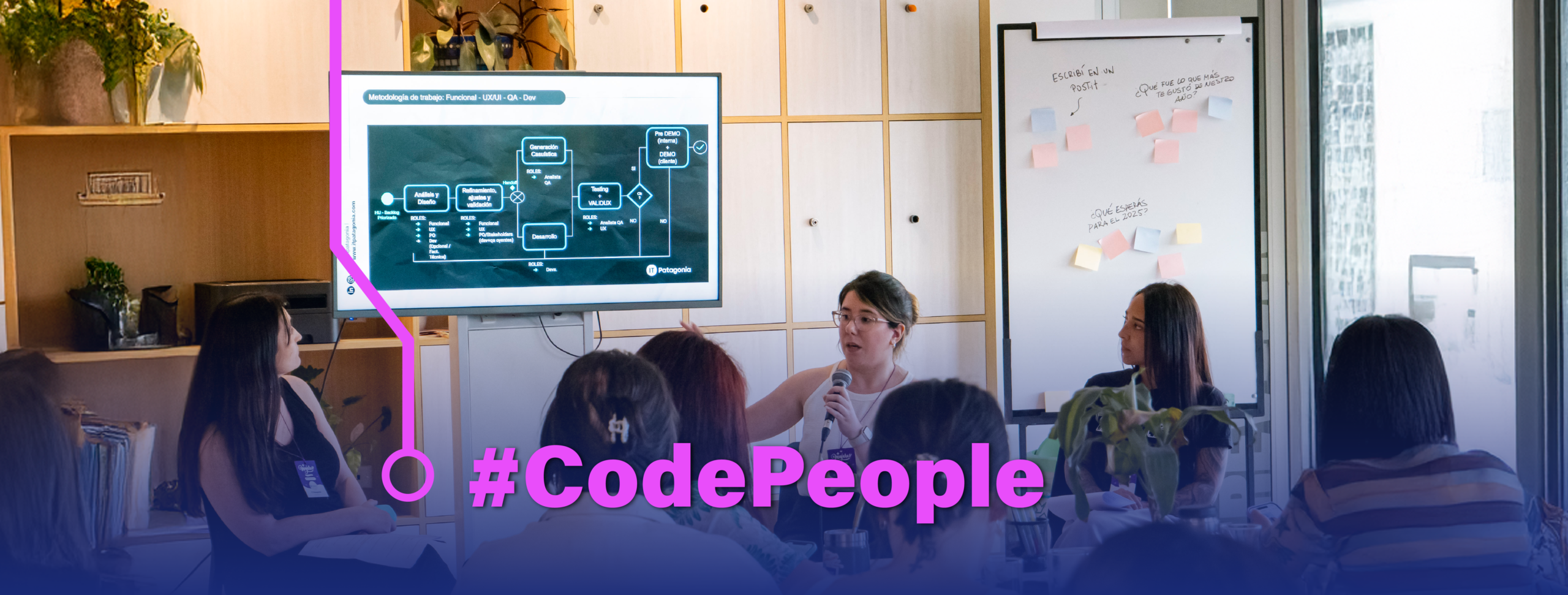
Working in technology in 2026 requires much more than just knowing how to program. Discover which languages to study, how to use AI, and what skills will help you enter the IT job market.

We analyze why diverse work teams are not built with speeches, but with strategic decisions that impact culture and business.


