


What changes when a model must answer to a regulator? What kind of metrics can be used to assess fairness and potential biases? What information should be prepared before an audit?

We explore why there can be significant differences between proposals that address the same need, what aspects are not shown in the price and implementation timeframe, what the main selection criteria are, and why choosing a technology partner involves looking beyond the immediate project.

Many organizations invest in ambitious governance frameworks that end up being difficult to implement. We propose an approach that moves from concept to implementation.
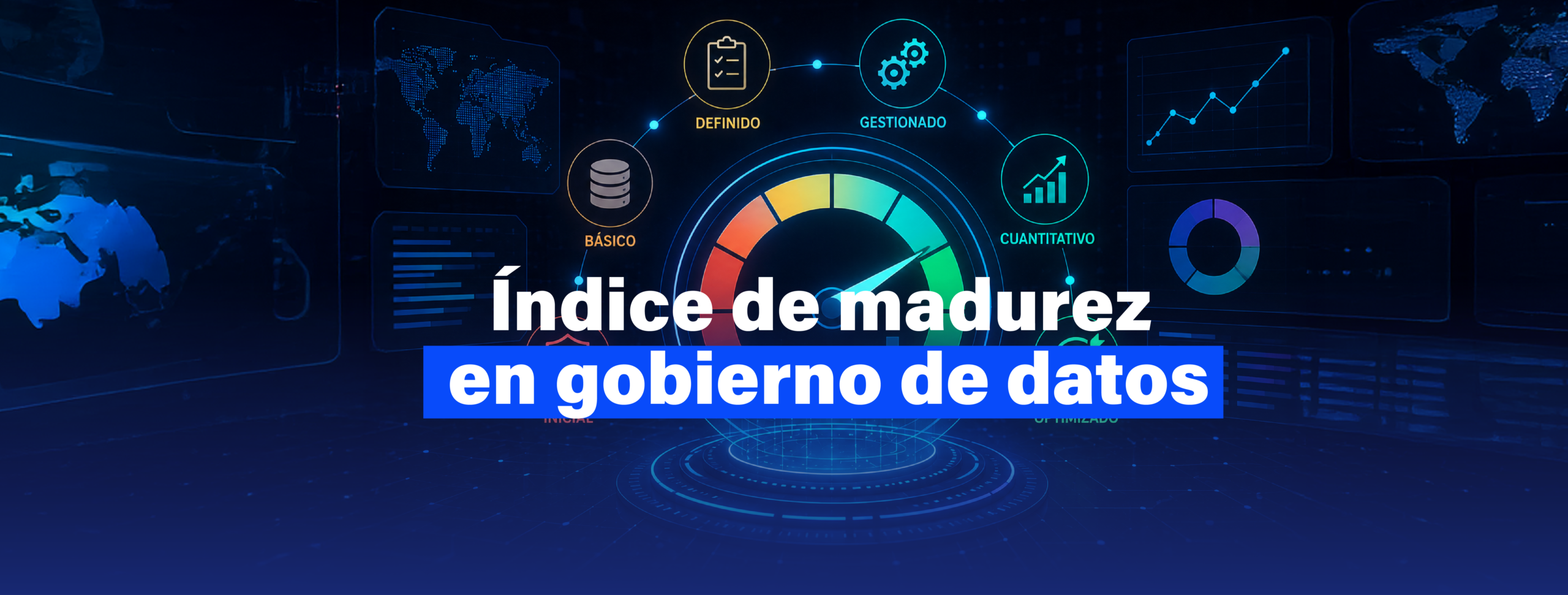
We present the results of the Data Governance Maturity Study and identify the gaps that most impact the ability to scale AI, comply with regulations, and reduce operational risks.
Personal data protection: obligations, third parties, and evidence. What to request and how to audit
In a context where data circulates between multiple systems, teams and third parties, we propose a practical approach on how to move from declaration to control, and from control to evidence.

We analyze an international treaty that proposes a structural response to the challenges of the digital age, establishing common principles that seek to protect people without hindering technological innovation. Understanding its scope is key to anticipating the direction data regulation will take in the coming years.
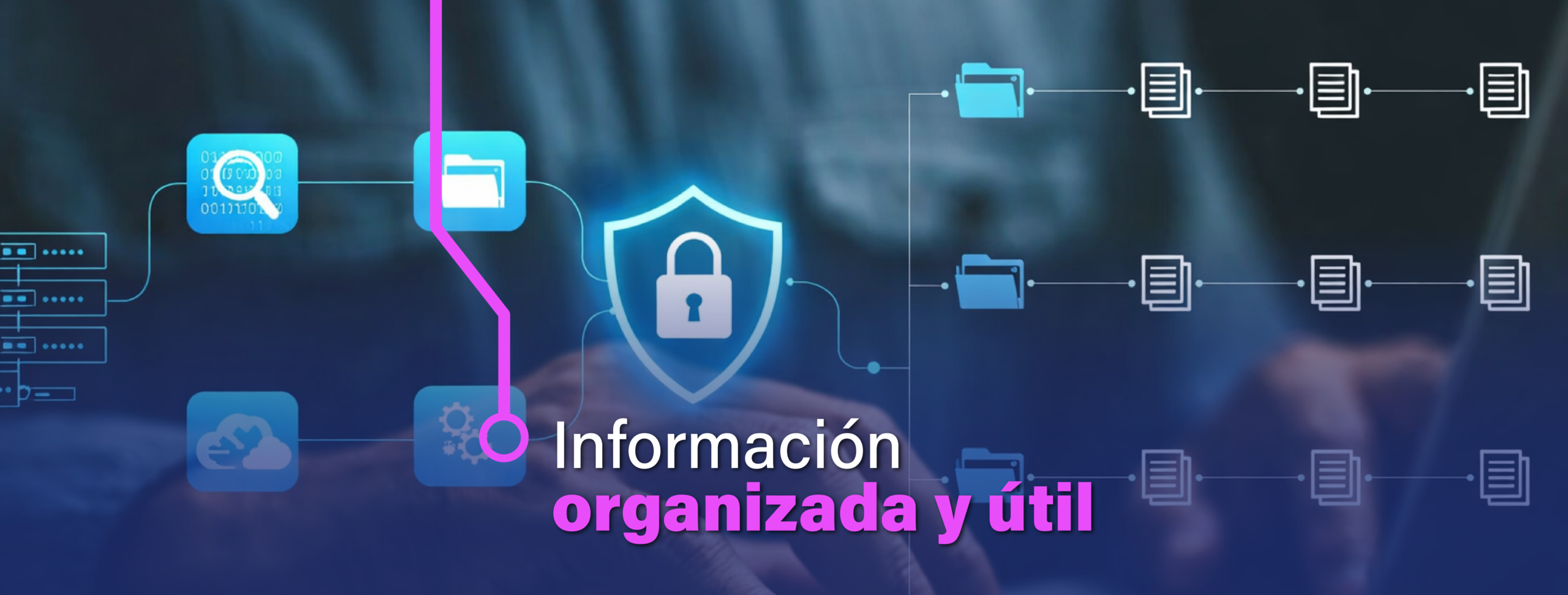
We present a comprehensive look at the characteristics of a modern AI-powered pipeline, the capabilities it must possess, and the challenges companies face when implementing it. We also analyze how to achieve the right balance between automation and human oversight.

We explore what data maturity really means from a business perspective, how to identify an organization's current level of data maturity, and why advancing AI without a solid foundation can generate more risks than benefits.
We analyze what data stewardship means and entails, and the challenges it presents for individuals and organizations. We also address the role of the data steward and the disruption that artificial intelligence introduces to data governance processes.

We explain what upskilling AI teams means and entails, and the key competencies that need to be developed to fully leverage AI in data management. We also analyze the keys to boosting internal talent growth.


