


Many organizations invest in ambitious governance frameworks that end up being difficult to implement. We propose an approach that moves from concept to implementation.
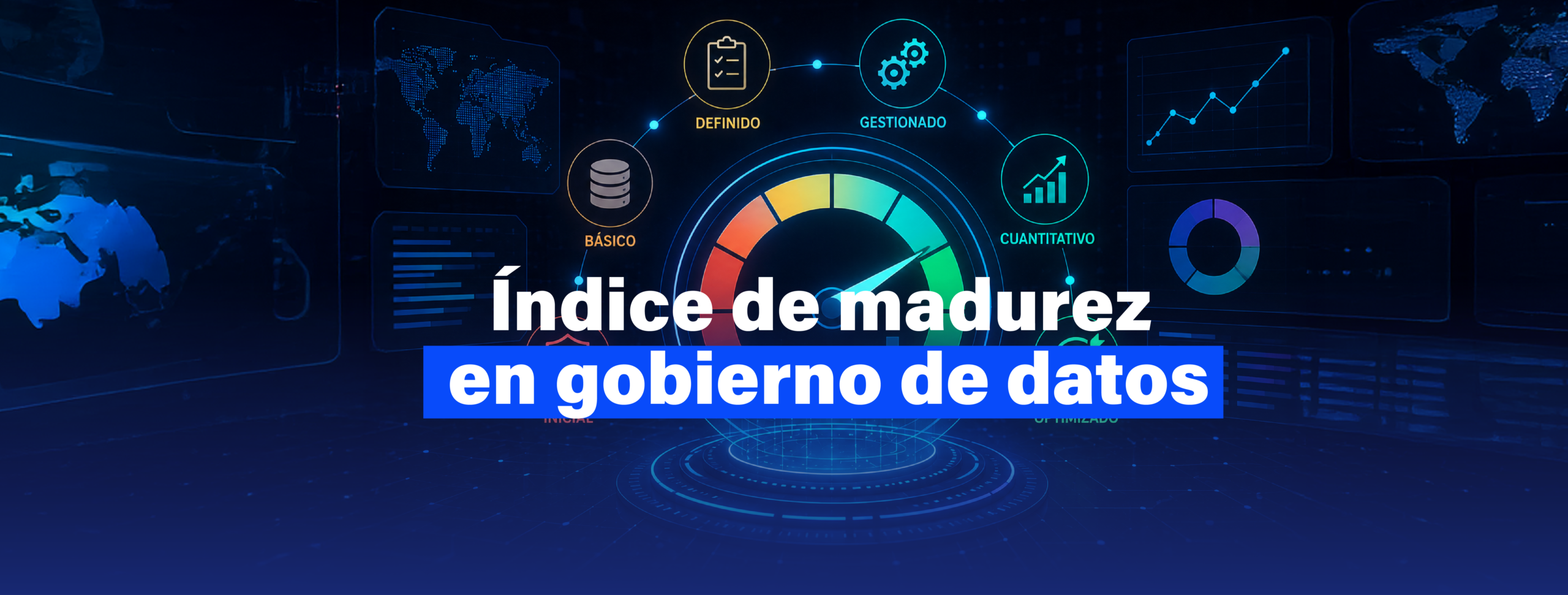
We present the results of the Data Governance Maturity Study and identify the gaps that most impact the ability to scale AI, comply with regulations, and reduce operational risks.

Personal data protection: obligations, third parties, and evidence. What to request and how to audit
In a context where data circulates between multiple systems, teams and third parties, we propose a practical approach on how to move from declaration to control, and from control to evidence.

We analyze an international treaty that proposes a structural response to the challenges of the digital age, establishing common principles that seek to protect people without hindering technological innovation. Understanding its scope is key to anticipating the direction data regulation will take in the coming years.

We explore what data maturity really means from a business perspective, how to identify an organization's current level of data maturity, and why advancing AI without a solid foundation can generate more risks than benefits.

The challenge is no longer adopting AI, but scaling it. We analyze how data fabric enables the creation of real business capabilities and positions itself as a strategic enabler for CIOs, CDOs, and data architecture leaders in data-driven organizations.

We explore the fundamentals of data governance, the problems it helps solve, and its main benefits. We also analyze roles and KPIs to measure its impact.


